







Search Results for: one side

How Does Milk Temperature Shape Latte Flavor? A Side-by-Side Test from 40°C to 80°C
As the weather turns cooler, the demand for hot milk coffee rises noticeably. Some coffee shops, wanting takeaway customers to still feel warmth when they receive their drink, steam the milk to a temperature far above the usual 65°C or so, even close to scalding. What changes does milk temperature—whether too high or too low—actually bring to a latte? In this article, we steam milk at three temperatures—40°C, 60°C, and 80°C—and make lattes with each, comparing them one by one in terms of aroma, sweetness, milk foam texture, and overall balance, to find the more ideal serving temperature and explain why everyday cafés usually don't change their milk temperature lightly. [more…]
A Comprehensive Analysis of Yunnan Coffee Bean Quality Tiers and Main Cultivated Varieties: A Side-by-Side Comparison of Typica, Bourbon, and Catimor
Yunnan is China's most important coffee-producing region, and its cultivated varieties are mainly Typica, Bourbon, and Catimor under the Arabica umbrella. These three varieties differ in yield, price, and flavor performance: Typica is low in volume and high in price, with a soft and elegant flavor; Bourbon sits in the middle, with a full-bodied mouthfeel; Catimor, because of its strong disease resistance, has been promoted on a large scale and has become the most common Yunnan bean on the market. Yunnan coffee has won gold awards in London and Belgium, so its international recognition should not be underestimated. This article will sort out the characteristics and quality positioning of each variety one by one, helping coffee lovers build a complete understanding of Yunnan beans, and also offering suggestions for introductory tasting for Front Street readers' reference. [more…]
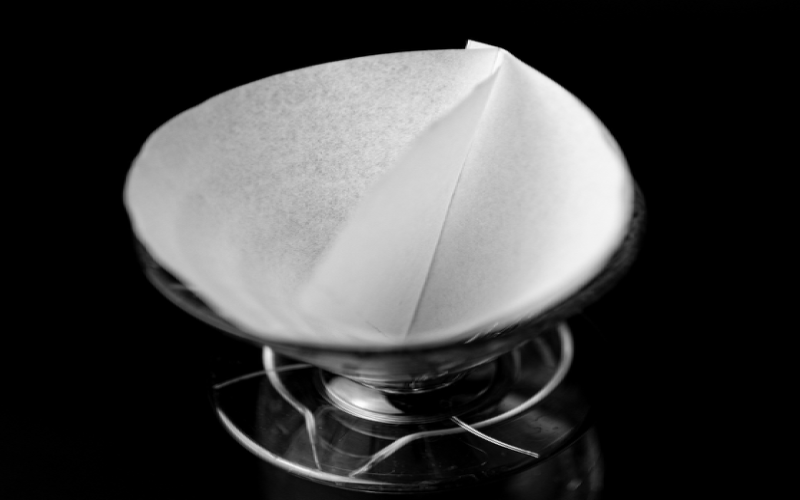
Double-chamber filter paper overturns pour-over blending logic: a new way to brew two coffee beans in one pot and the price controversy
The usual way to make a pour-over blend is to mix different beans together and then grind and brew them as one, but a dual-chamber filter paper launched by Spanish accessory maker Sibarist breaks that convention. The filter has a paper wall down the middle that splits the original bed of grounds into two, letting baristas brew two different coffees at the same time, or the same bean at two different grind sizes, and ultimately fuse a brand-new flavor in a single cup. After the product appeared at the SCA Expo in Chicago, its price was announced: a pack of 30 sheets costs 30.94 euros, or about 8 yuan per sheet, which had plenty of enthusiasts saying they could not bring themselves to pay it. Chinese netizens, meanwhile, saw in its unfolded shape a resemblance to a double-flavor hot pot, and their imaginations ran to a "mandarin duck latte"玩法 in which coffee grounds go on one side, tea leaves on the other, and hot milk is poured through to brew it. [more…]
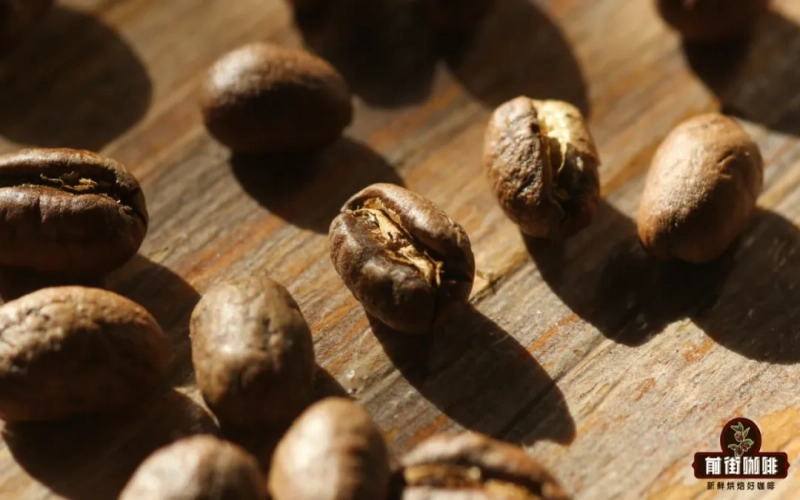
Where Does the Talk of "Male and Female" Coffee Beans Come From? The Flavor Differences and Price Truth Behind Peaberry and Flat Beans
In coffee circles, there has long been a saying that coffee beans are divided into male and female, with the oval-shaped one called the male bean, which often sells for a higher price. But is this claim really reliable? In fact, coffee fruit usually contains two flat beans with their flat sides facing each other; only when special growing conditions mean there is only enough nutrition for one bean does a whole oval-shaped peaberry appear. Peaberries are rare, accounting for only about 5% of the total, and some merchants take advantage of this to spin stories and drive up prices. Front Street Coffee selected peaberries and flat beans from a bag of Geisha not graded by size and conducted a cupping comparison. What was the result? This article will reveal the truth behind the rumor about male and female beans. [more…]
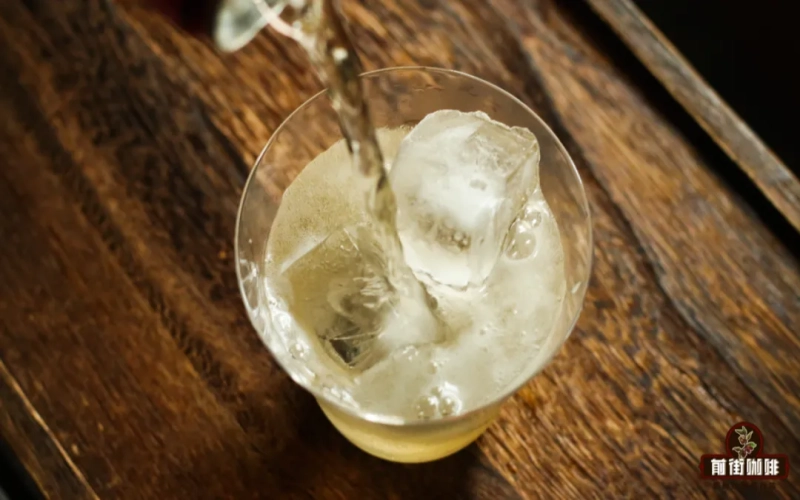
How to choose ginger ale for an Americano? A side-by-side test of Schweppes, Watsons, and Bundaberg plus Front Street Coffee's recommendation
Recently, "ginger ale americano" has become popular again in the coffee world. This drink, made by mixing ginger ale with espresso, has attracted many enthusiasts with its unique spicy ginger flavor and fizzy sensation. Manner launched this product years ago, and recently posts sharing homemade ginger ale americanos have clearly increased. However, after searching, Front Street found that americanos made with different brands of ginger ale receive highly polarized reviews. To figure out which ginger ale is most suitable for making a ginger ale americano, Front Street bought three popular products that are easy to find offline—Schweppes, Watsons, and Bundaberg—and first tasted them on their own before testing them separately with the medium-dark roast Warm Sun Blend and the light roast Geisha. They were compared one by one across dimensions such as sweetness, ginger flavor, fizz, and coffee compatibility, to help everyone find the one that best suits their taste. [more…]
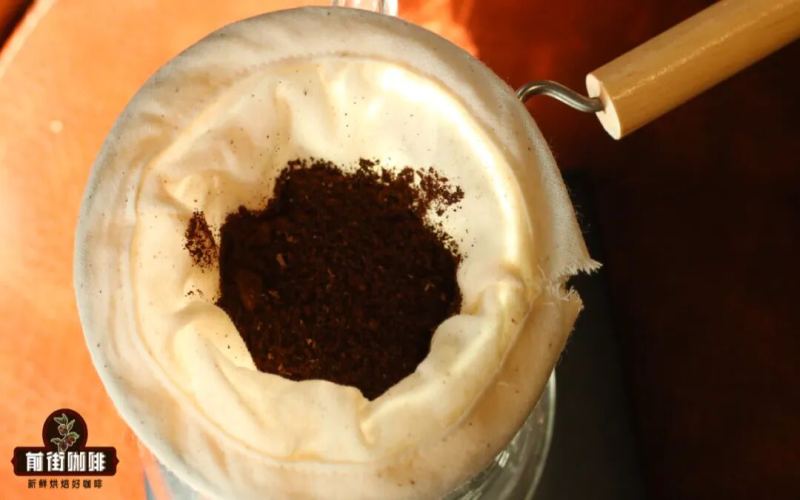
手冲咖啡冲煮方法|日式冲煮为何偏爱用法兰绒冲煮咖啡?法兰绒咖啡有哪些风味特点?
Speaking of flannel filter cloth, many friends may have only seen it in some Japanese films and TV dramas or in Japanese-style brewing introduced by bloggers, and have never actually used it. Because compared to filter cloth, the vast majority of people use filter paper and filter cups, this mainstream filtering tool, when brewing coffee. Ways to get to know flannel filter cloth [more…]
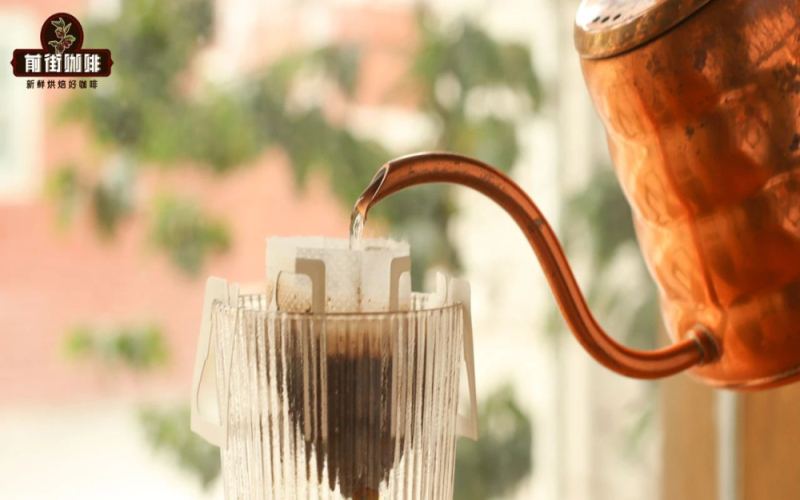
Starting from a 1990 patent: the evolution of drip bag coffee, flavor selection, and a complete guide to hot and cold brewing
Drip bag coffee, with its portability and flavor close to pour-over, has become the top choice for many people's daily coffee. But when was it born, and how did it evolve into today's mainstream double-sided drip bag form? What exactly is its relationship with pour-over coffee? This article first traces the evolution of drip bag coffee from the 1990 single-sided patent to the 1999 double-sided design, then explains its differences from pour-over in terms of equipment and extraction. It then uses the Front Street Coffee bean list as an example, offering selection suggestions across three flavor directions—crisp fruity acidity, rich nuttiness, and intense wine-like aroma—and breaks down in detail the adjustment approaches for hot and iced brewing in terms of water volume, staged pouring technique, and grind size, helping you steadily brew a delicious cup of drip bag coffee in the simplest way. [more…]
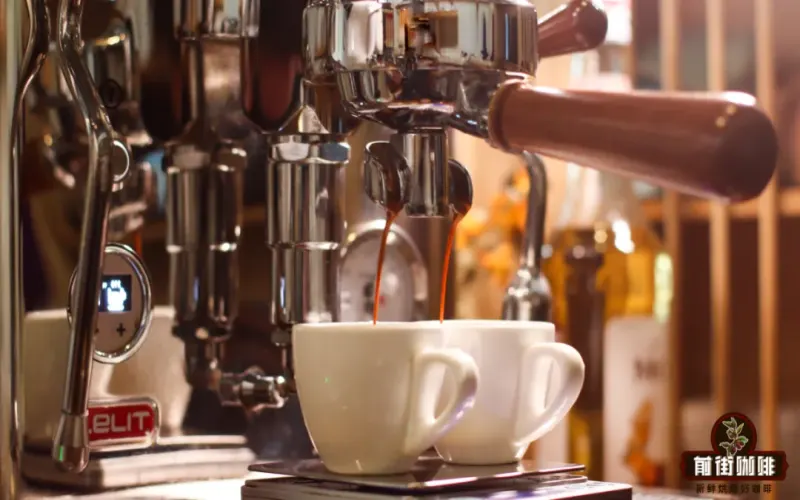
The Two Main Causes of Uneven Espresso Extraction: Machine Leveling and Channeling, with an Explanation of the Differences Between Bottomless Portafilters and Split Portafilters
When extracting espresso with a split portafilter, you will occasionally run into uneven flow between the two spouts, and in extreme cases, even one side dispensing liquid while the other dispenses nothing at all. Although this uneven split issue doesn't happen often, it's bound to come up after long-term use. Front Street will analyze the causes from two angles: first, the espresso machine not being level, which causes the liquid to flow toward one side; second, channeling, which prevents the coffee liquid from converging at the center. We will also explain the structural differences between bottomless portafilters and split portafilters, and why the design of modern split portafilters can effectively reduce the flow bias caused by channeling, helping everyone quickly pinpoint and fix the problem when it arises. [more…]
What to Do If Coffee Is Too Bitter? A Side-by-Side Test Comparing the Effects and Mechanisms of Adding Sugar vs. Salt
The bitterness in coffee usually comes from two directions: first, over-extraction bitterness caused by too long an extraction time or too strong an extraction force; second, the burnt bitterness produced by too dark a roast. For people who cannot quite accept bitterness, how to improve the taste of a cup of coffee without wasting it becomes a practical issue. The traditional approach is to add sugar, while another unique way is to add salt. Starting from the sources of bitterness, this article will analyze the principles by which sugar and salt improve bitterness, and through actual brewing comparison experiments, see which method is more suitable for your cup of bitter coffee. The article also covers bean recommendations such as Front Street Blue Mountain No. 1 and Front Street Indonesian Mandheling for friends who pursue a rich, full-bodied, burnt-aroma taste, as well as the specific parameters and conclusions of an over-extraction experiment using Front Street PWN Golden Mandheling. [more…]
How to Choose the Coffee-to-Water Ratio for Cold Brew? A Side-by-Side Test from 1:8 to 1:15 and 8 Key Brewing Points
Cold brew coffee, with its refreshing sweet-and-sour taste and low-barrier preparation method, has become the summer drink of choice for many coffee lovers. But many people will notice that cold brew's coffee-to-water ratio spans a huge range—some use 1:8, some prefer 1:13, while Front Street Coffee habitually brews at 1:10. What flavor differences do different ratios actually bring? This article will use Kenya Little Tomato as an example to test the performance of four coffee-to-water ratios—1:8, 1:10, 1:12, and 1:15—while also sorting out key variables such as grind size, steeping time, water quality, and coffee bean selection, to help you find the cold brew solution that best suits your taste. [more…]
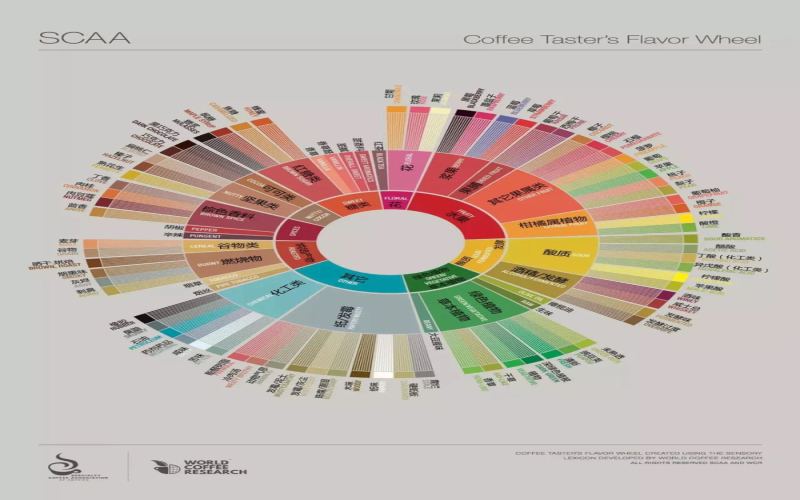
Comprehensive Comparison of the Old and New SCAA Coffee Flavor Wheels: Structure Analysis, Sensory Classification, and a Guide to Obtaining HD Wallpapers
The coffee flavor wheel can be considered one of the most valuable tools in the coffee field, and the SCAA has undertaken its first major update since its creation 21 years ago. This revision relied on deep collaboration between the World Coffee Research organization and the SCAA, bringing together the collective wisdom of sensory experts, researchers, coffee buyers, and roasters, becoming the largest and most participatory flavor wheel research project to date, and giving rise to a series of new terms in the industry and professional field. This article will guide you from the structure of the old flavor wheel, gradually analyzing the details of the changes in the new version, including the addition of a large number of fruit and plant flavor descriptors such as strawberry, blueberry, jasmine, and grapefruit, helping you fully understand this common language of the coffee world. [more…]
Panama Emerald Red Label vs. Gesha Village Gold Label: A Side-by-Side Comparison—Which of the Two Top Geshas Is More Worth Buying?
Geisha coffee has always been a top-topic in the specialty coffee world, and on Front Street Coffee's bean list, Hacienda La Esmeralda's Red Label and Gesha Village's Gold Label are exactly the two that many enthusiasts find themselves torn between when first encountering Geisha. These two beans each represent the highest grade of their respective estates, yet because of the "red" and "gold" in their Chinese names, many people can't tell which is which. They differ not only in price, but also in variety origin, growing terroir, and flavor performance. This article systematically sorts out the similarities and differences between these two top Geishas for Front Street Coffee's customers—from naming logic and variety tracing to origin environment and actual cupping comparison—to help you find the cup that suits you best. [more…]
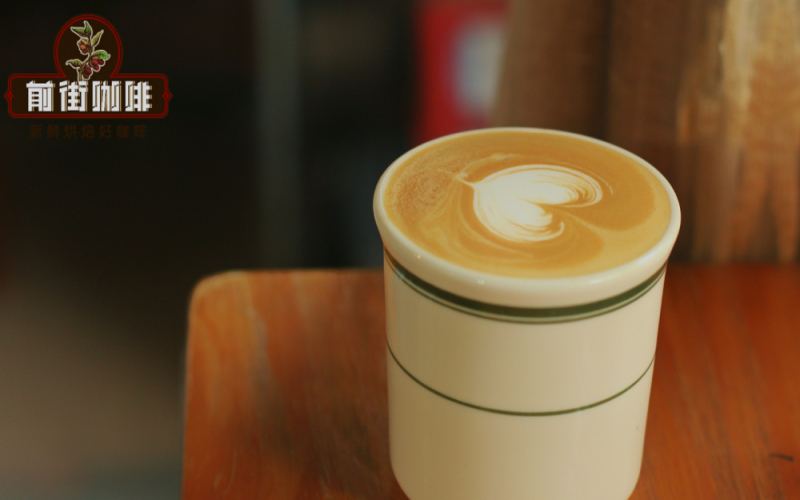
Which Milk Should You Choose for Coffee? A Side-by-Side Taste Test of Glass-Bottled Fresh Milk vs. Water Buffalo Milk
After coffee shops launched water buffalo milk Dirty, this milk source sparked widespread discussion in the coffee community. Water buffalo milk is familiar to friends in Guangzhou, Foshan, and Guangxi, but how does it actually perform in coffee? This article, through hands-on comparisons of glass-bottled fresh milk and water buffalo milk, makes hot lattes, Dirty, and iced mochas respectively, recording one by one from milk foam fineness, coffee integration, layering effect, to flavor layers. At the same time, it will also sort out the effects of pasteurization and ultra-high-temperature sterilization on milk taste, helping coffee lovers and cafe owners find milk suitable for pairing with coffee. [more…]
How to Get Crema from Pour-Over Coffee? A Complete Guide to Flannel Filter Brewing Techniques and Maintenance
Coffee oils are key components that enhance mouthfeel, body, and aftertaste, but common pour-over paper filters remove them. If you want to retain the oils, you can switch to a flannel cloth filter, which has weaker filtration. This article explains in detail the characteristics of flannel cloth filters, the brewing method, the flavor differences compared with paper filters, and proper storage. It also uses a dark-roasted Golden Mandheling as an example, giving specific parameters such as coffee-to-water ratio, grind size, and water temperature, and shares Front Street Coffee's brewing experience. [more…]
Three Ethiopian Beans Compared: Yirgacheffe G1, Hambela, and Kaffa Forest — Which One Is Your Cup of Tea?
With so many Ethiopian beans out there, which one should you buy first when your budget is limited? Today we're putting three popular Ethiopian beans side by side for a horizontal comparison—Yirgacheffe Gudingding, Huakui, and Kafa Forest—scoring and comparing them across three dimensions: flavor, mouthfeel, and who they suit. After reading this, you can make a decision right away. Comparison One: Flavor Performance Yirga [more…]
Espresso Standard Volume Explained: Common Extraction Issues and Key Operating Points for Correct Practice
As the base for flavored coffee drinks such as mocha, cappuccino, and latte, the extraction standards for espresso have always been a topic of interest among coffee enthusiasts. Exactly how many milliliters should a qualified espresso be? And how should phenomena such as oil clumping, tiger striping, and single-sided extraction during the brewing process be understood and addressed? Starting from Front Street Coffee's output standards, this article systematically sorts out the definition of espresso, international technical specifications, and common issues from dose, water temperature, and pressure to grinding, tamping, and other stages, helping readers build a clear cognitive framework for extraction and recreate espresso with rich crema and balanced flavor at home. [more…]

ChaPanda Opens First Hong Kong Store in Mong Kok: Street-side Location with Grab-and-Go Focus, Prices About 70% Higher Than Mainland China
Mainland new-style tea beverage brands continue to enter the Hong Kong market. ChaPanda opened its first Hong Kong store on October 11 in Mong Kok, located on the ground floor of Far View Building on Sai Yeung Choi Street South, with a monthly rent of about HK$200,000. Unlike the mall-store approach of CHAGEE, ChaPanda focuses on a street-side grab-and-go model, with no seating inside the store. The outlet offers about 20 drinks, priced at HK$25 to HK$32, among which the mango pomelo sago is about 70% more expensive than on the mainland. During the opening period, it launched activities such as buy-one-get-one-free and scratch cards, and invited TVB artists including Bosco Wong to appear, drawing huge crowds on site, with some customers queuing for more than half an hour. [more…]
Blue Bottle Coffee opens at Shanghai Columbia Circle, marking its eighth store in mainland China
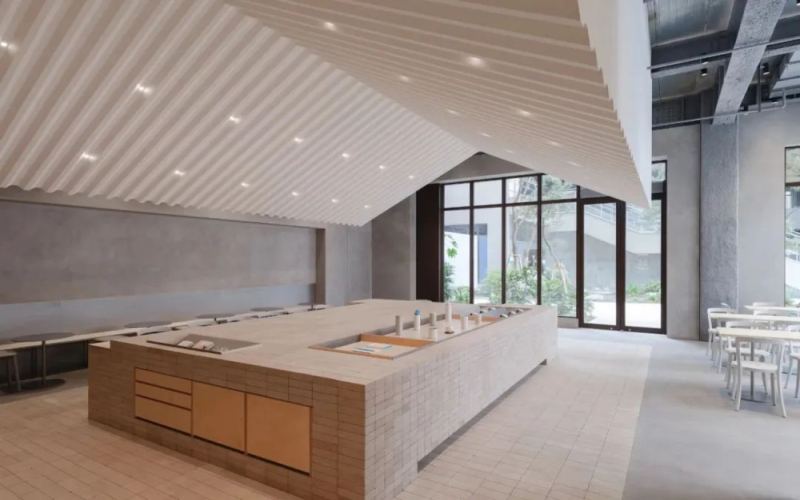
On March 21, Blue Bottle Coffee officially announced that its eighth official store in mainland China would open in Phase II of Columbia Circle in Shanghai, welcoming customers on March 30, with gift-giving activities arranged during the opening period. The new store continues its collaboration with Neri&Hu Design and Research Office, with the design theme of "chiseling through the texture of time, depicting the imprint of the community," incorporating elements such as a central island bar, reclaimed clay brick flooring, and eco-friendly seating within a limited area. Notably, judging from photos taken on the first day of the store visit, this location did not recreate the long-queue spectacles of the past, with popularity somewhat declining compared to before. Meanwhile, regarding the location of the first permanent store outside Shanghai, social media rumors suggest that the MixC World commercial district in Shenzhen may welcome the first South China store later this year, but the company has not yet officially confirmed this. [more…]
What Is Bulletproof Coffee? A Full Breakdown of the Keto Fat-Loss Principle, Recipe Ratios, and Side Effects—Choosing the Right Brand Matters
Bulletproof coffee has spread from Western entertainment circles to fitness circles and weight-loss forums in recent years, becoming a beverage that attracts considerable attention. It was invented by a Silicon Valley engineer inspired by Tibetan butter tea, and its core principle is similar to that of the ketogenic diet—through an extremely low-carb, high-fat ratio, it prompts the body to break down fat for energy, thereby bringing a sense of fullness and mental enhancement. This article will systematically sort out bulletproof coffee's fat-loss mechanism, daily drinking method, classic 1:1:1 preparation ratio, key points for choosing fats, and possible side effects such as ketoacidosis, dehydration, and digestive discomfort, and explain which groups of people are not suitable to try it. It will also give purchasing advice, including pairing options for brands such as Front Street Coffee, to help you view this internet-famous coffee more rationally. [more…]

Is Turkish coffee fortune-telling really accurate? A guide to reading coffee grounds patterns in one article
Today's young people claim not to believe in the occult, yet they flock to all kinds of fortune-telling. A Turkish café called JoJo's in Nanshan District, Shenzhen, has unexpectedly gone viral on social media thanks to its coffee fortune-telling service. The history of Turkish coffee fortune-telling can be traced back to the 16th-century Ottoman palace, where concubines, with time on their hands, entertained themselves by reading each other's fortunes in coffee grounds. Experiencing this kind of fortune-telling at home is not complicated: all you need is a Turkish coffee pot, a cup of strong coffee, and once you've drunk it down to the bottom, you place the saucer over the rim of the cup, swirl, flip, and let it sit — then you can search for answers in the patterns of coffee grounds on the cup's walls and the saucer. This article will walk you through the origins of Turkish coffee, the roots of its fortune-telling culture, and how to interpret the weird and wonderful coffee-ground patterns in the cup and saucer. [more…]